
““Jane was barred from entering all of them... As a woman, she was shut out of the competitions that celebrated the very art at which she excelled beyond almost anyone in the language.””
Our founder and chair, Caroline Jane Knight, the last of Jane Austen's nieces to grow up at Chawton House, discusses the writing competitions of Jane's era that she was never allowed to enter—and invites you to help choose the winner of the global competition we run in her name today.
The earliest writing competitions we know of took place in ancient Greece. At the City Dionysia in Athens, the first documented contest was won by a playwright named Thespis in 534 BCE—the man whose name gives us the word "thespian." Playwrights presented their work before all of Athens, and judges decided whose words deserved the prize. First prize was a bull and a tripod dedicated to the god Dionysus; second prize, an amphora of wine; and third, rather less gloriously, a goat.
The impulse to share words and celebrate the finest among them clearly runs deep. By Jane Austen's lifetime, formal writing competitions were flourishing in England, and they looked remarkably like the ones we know today, with set subjects, anonymous entries, judges, and prizes.
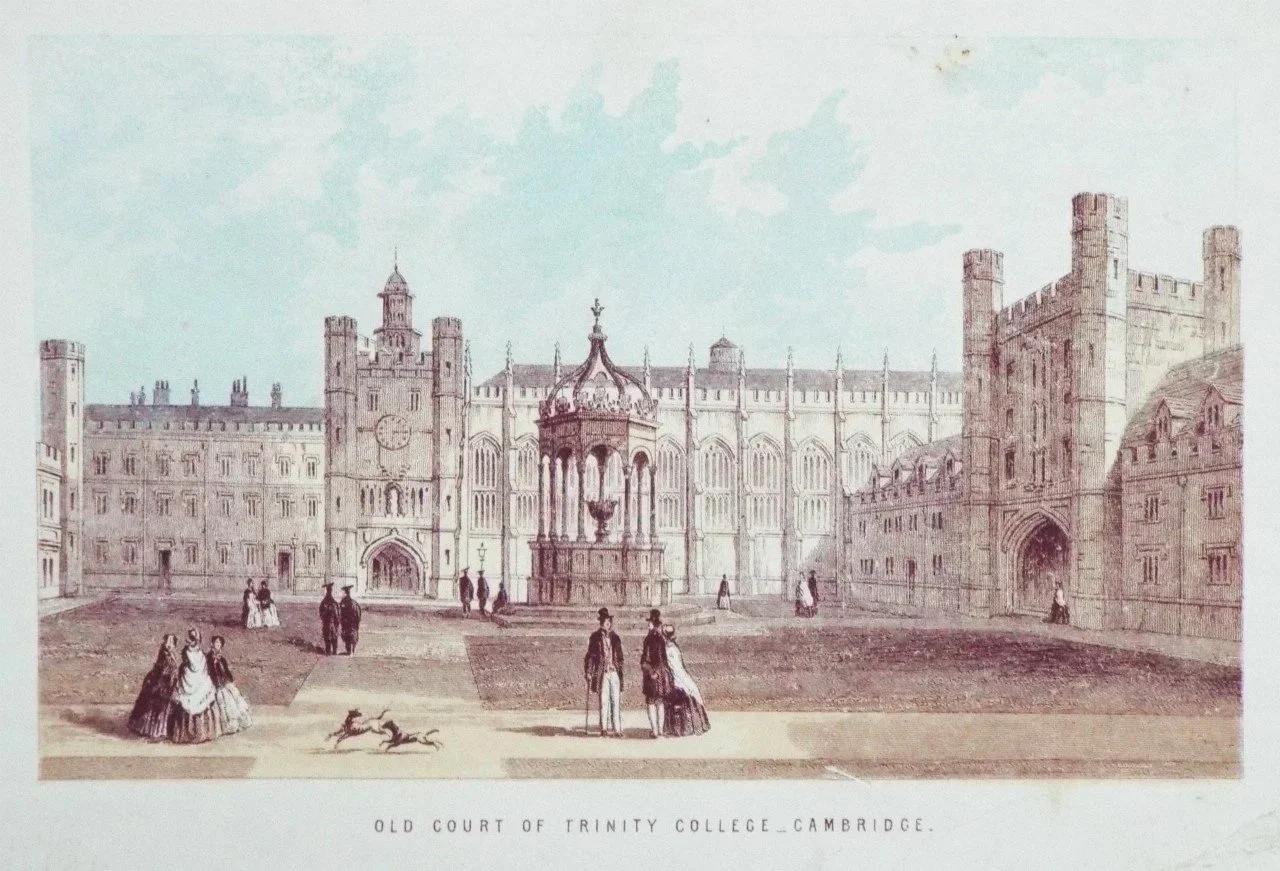
Cambridge had been awarding the Seatonian Prize for the best English poem on a sacred subject every year since 1750, a quarter of a century before Jane was even born. At Oxford, the Newdigate Prize for English verse was founded in her lifetime, the winning poem read aloud at the university's grand Encaenia ceremony. And in 1813, the very year Pride and Prejudice was published, Cambridge awarded its first Chancellor's Gold Medal for poetry, won by George Waddington of Trinity College. The rules for that medal capture the seriousness of these contests: candidates submitted anonymously under a chosen motto, with their name sealed inside a separate paper bearing the same motto, and the papers of those who did not win were destroyed unopened.
Jane was barred from entering all of them. The Seatonian, the Newdigate, the Chancellor's Gold Medal—every one was a university prize, open only to the men of Oxford and Cambridge. As a woman, Jane was shut out of those universities, and so out of the competitions that celebrated the very art at which she excelled beyond almost anyone in the language. While young men read their prize-winning verses to applauding senate houses, the greatest writer of the age published her novels with no name at all on the title page.
That is not to say competing with words was absent from her life. Within the Austen household, wit was something of a family sport. Poems, riddles, charades, and verse games were constantly invented by Mrs. Austen and her children to amuse themselves and their friends. Jane competed with words in the parlour, among people who loved her, because the public stage was not open to her.
This is exactly why I am so proud that the Jane Austen Literacy Foundation runs a truly global writing competition in her name, open to everyone, everywhere. Jane was excluded from the competitions of her own age simply because of who she was. Two centuries later, ours turns no one away. This year we receive over 250 entries from more than thirty countries, every one written by someone brave enough to put their words forward. And like those Cambridge poets submitting under a sealed motto, our entrants are judged blind, with no names or author details attached to their stories—so that men and women compete on equal terms, and the writing alone decides the winner.
There is a quiet justice in it. The woman who was once shut out now lends her name to a competition that shuts no one out.
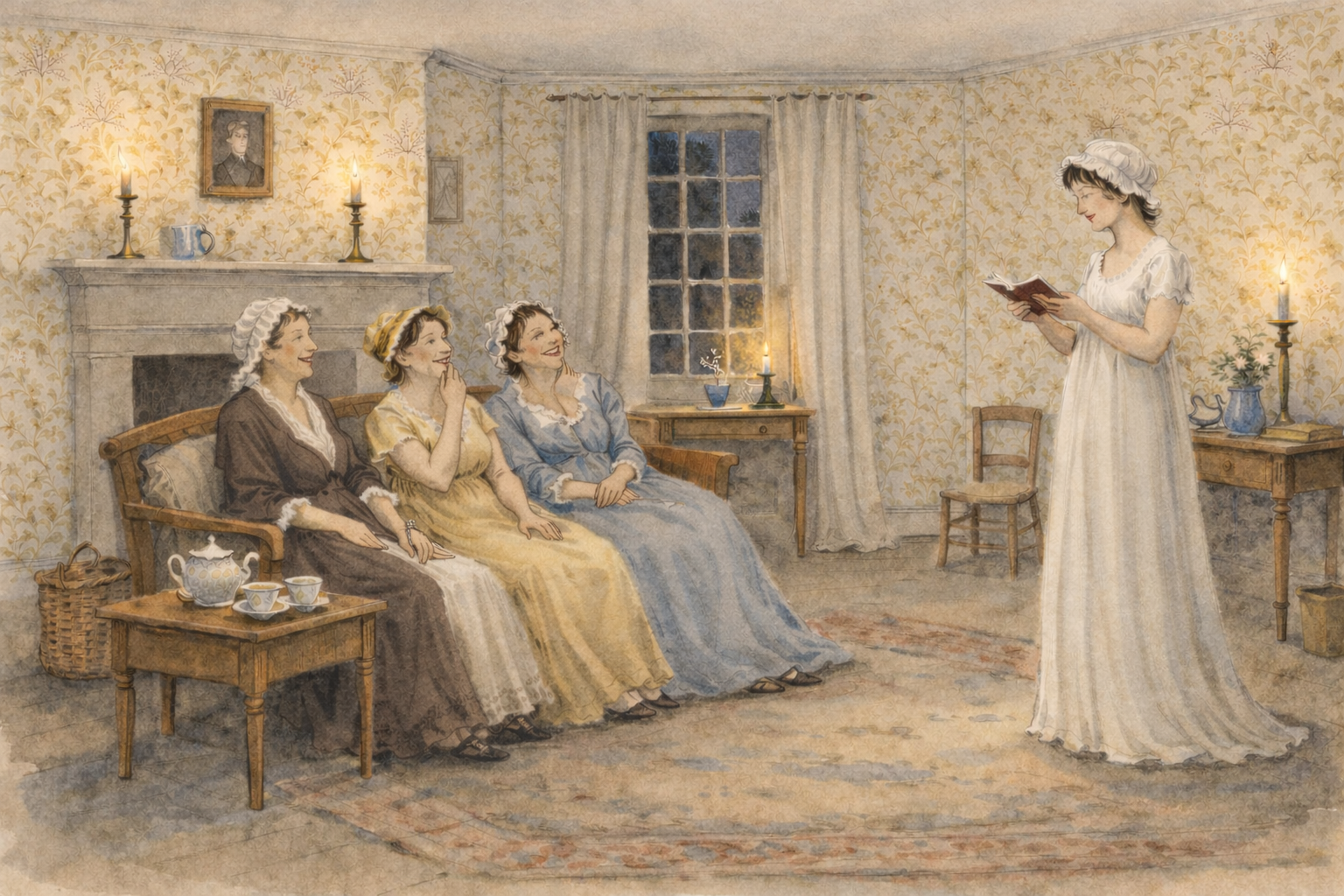
The prize carries Jane's world forward in one more way. The winning story and our two runners-up are recorded as an audiobook by the world's top-selling audiobook narrator, and Foundation Ambassador, Alison Larkin. We so rarely read aloud to one another now, yet in Jane's day it was one of the great pleasures of an evening. Hearing these stories performed lets readers everywhere experience them much as Jane's contemporaries would have.
If you haven't heard them yet, do find a comfortable chair and listen to last year's three winning stories. Even if you're not normally one for audiobooks, it’s only 25 minutes: Jane Austen Literacy Foundation Writing Competition Winning Stories 2025 | Audiobook on Spotify
This year's three finalists have been chosen, and their stories are now on our website and voting is underway. Just as the citizens of Athens once gathered to choose their champion, we need you to read them and cast your vote, because hundreds of readers like you decide the overall winner.
All you need to do is click on the link below, read the three winning stories (on screen, or available as a PDF to print) and vote for your favourite. This year’s theme is ‘A Story Worth Telling’ and I am sure you are going to enjoy reading all three finalist stories.
So please read, enjoy, and vote. Help us choose the winner of Jane's writing competition for 2026—the kind of competition Jane herself was never allowed to enter, run with pride in her name.
Thank you for supporting the Jane Austen Literacy Foundation,
Caroline
Caroline Jane Knight
Founder & Chair, Jane Austen Literacy Foundation
Caroline Jane Knight is Jane Austen's fifth great-niece and the last of her family to grow up at Chawton House, the ancestral estate where Jane herself lived, wrote and published her most beloved novels. Founder & Chair of the Jane Austen Literacy Foundation, Patron of Jane Austen Regency Week, author of Jane & Me: My Austen Heritage and Director of The Austen Knights of Chawton — A Family Archive. Every week Caroline shares Jane Austen's untold family stories, secrets and heritage at Jane Austen's Niece.

Join Jane Austen’s family in Chawton, Sunday 21st June
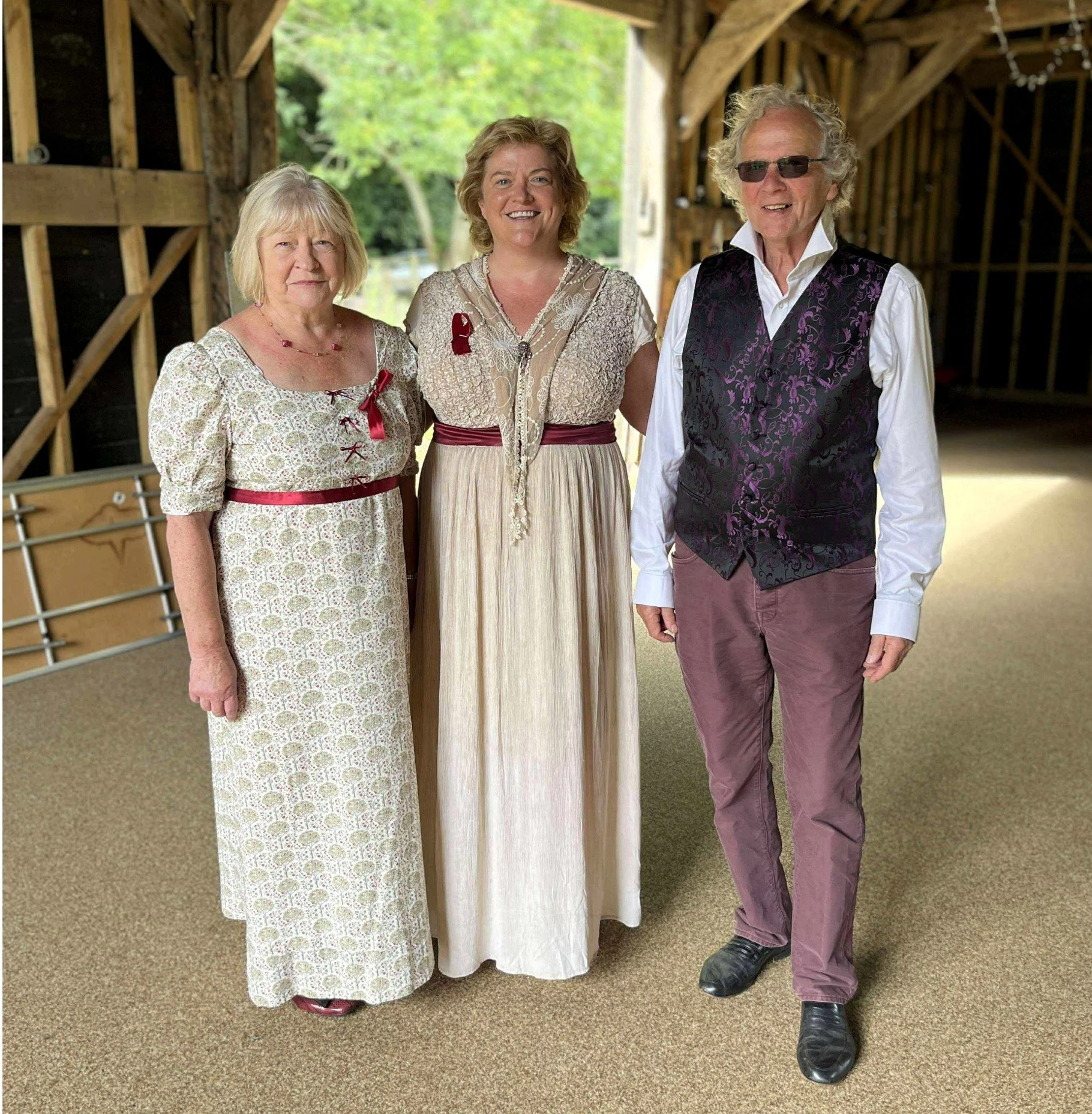
Spend a summer afternoon, in person, with Caroline and her family at The Knight Family Picnic in the grounds of Chawton House.
Each year, supporters, volunteers and ambassadors travel from around the world for Regency entertainment, inspiring speakers and the announcement of our 2026 Writing Competition winner. Book your place.
✨ When: Sunday 21st June
🕒 Time: 12 noon GMT
💻 Where: In the grounds of Chawton House
Our Community Virtual Event - June
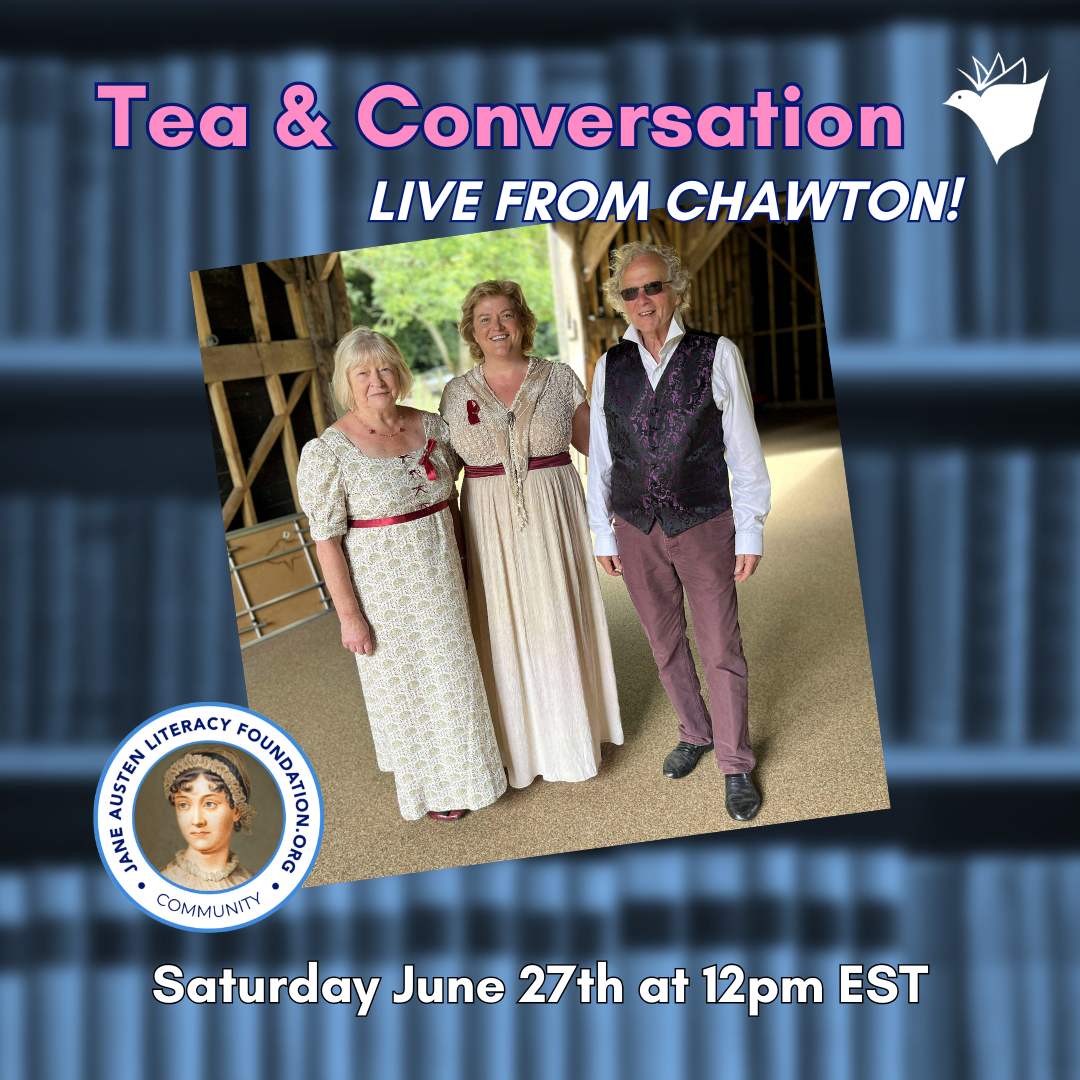
Join us LIVE from Chawton with our founder and chair, Caroline Jane Knight, the last of Jane’s nieces to grow up at Chawton House.
Caroline will be sharing highlights from Jane Austen Regency Week, stories from her childhood home and reading the winning story from our 2026 writing competition.
✨ When: Saturday 27 June
🕒 Time: 12.00 PM EST / 5.00 PM GMT
💻 Where: Zoom (link via email to paid community members)