

““I have enjoyed reading Jane Austen for the last 60 years and amazingly, I am still discovering new gems in the six novels. After all those decades, I can still go ‘oh my’ while reading.” ”
Jane Austen enthusiast and Lifelong Member of the Jane Austen Society of North America, Nili Olay, discusses the benefits of re-reading Jane Austen’s novels.
Like most Austen lovers, I re-read the six novels regularly. Friends ask me, “Why keep on re-reading when you certainly know the story?” Of course, I know the stories. But there is great pleasure in reading a favorite line such as in Persuasion’s Chapter 23: “You pierce my soul. I am half agony, half hope.”
Connecting with the Characters
In addition, I understand the characters differently at age 80 than I did at 50 or 20. A good example of enlightenment is how my perception of Lady Russell, and the role she plays in Jane Austen’s novel Persuasion, has evolved over the years. At 20, I was angry at her for suggesting the heroine, Anne Elliot, ought to restrain her feelings for and cancel the engagement with Frederick Wentworth. But at 50 and even more so at 80, I can see why she gave the guidance to not commit at such a young age to a naval man. At some point, I read the novel and said to myself, “I would have given my daughter the same advice.” I would not have asked her to break off the engagement altogether, but I would have counseled her to wait until he could financially take care of her. Like Lady Russell, I can now see why it was best to proceed with caution.
Over the years, I have become more sympathetic to Emma Woodhouse’s character, too. Yes, she is annoyingly all-knowing, but she is also very kind to her father and caters to his whims. Few women her age would be so considerate of their hypochondriac fathers. I appreciate her empathy.
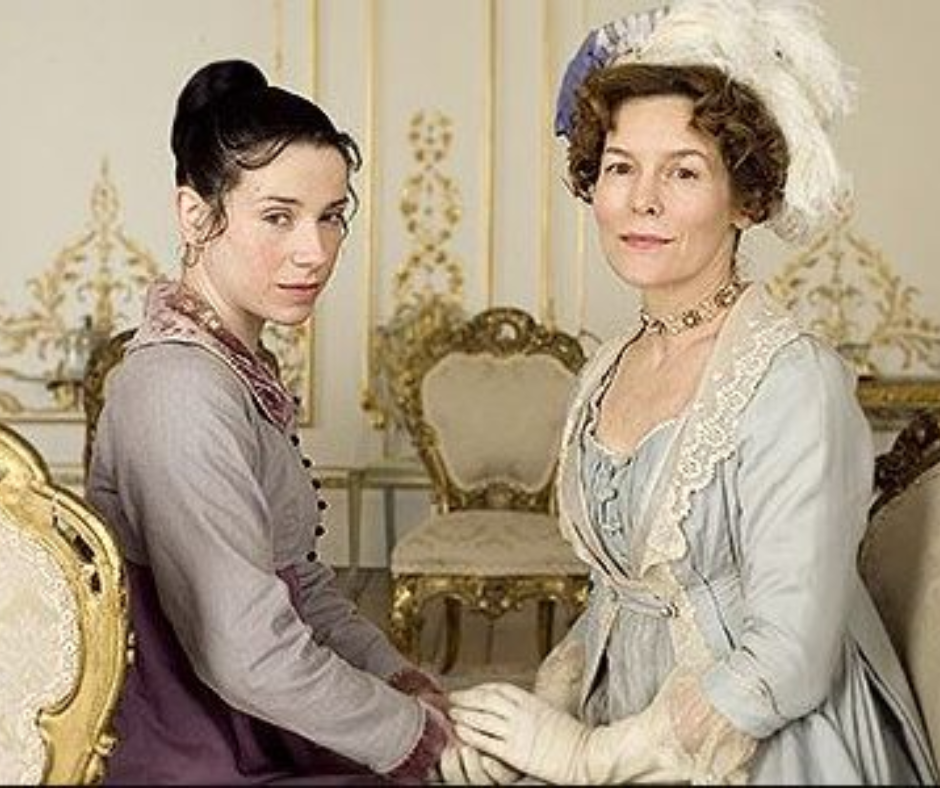
Anne Elliot trusts Lady Russell’s advice and breaks her own heart when she calls off her engagement to Frederick Wentworth. For readers, this decision is polarizing. Some think Anne was wrong to put so much faith in her friend. Others can see how Lady Russell and Anne Elliot acted prudently in Jane Austen’s Persuasion.
Spotting Previously Undiscovered Tidbits
Also, there is always something new to discover. During a recent Emma review, I realized that the title character, Emma Woodhouse, was very aware of Mr. Knightley’s movements long before she recognized that she was in love with him. That “aha!” moment came in Emma Book III chapter IV. Emma and Harriet recounted a conversation between Mr. Knightley and Mr. Elton in which the two men discussed spruce beer. Emma said, “I perfectly remember it… Mr. Knightley was standing just here, was not he? I have an idea he was standing just here.” Harriet cannot remember where Mr. Knightley stood but she remembers where Mr. Elton stood.
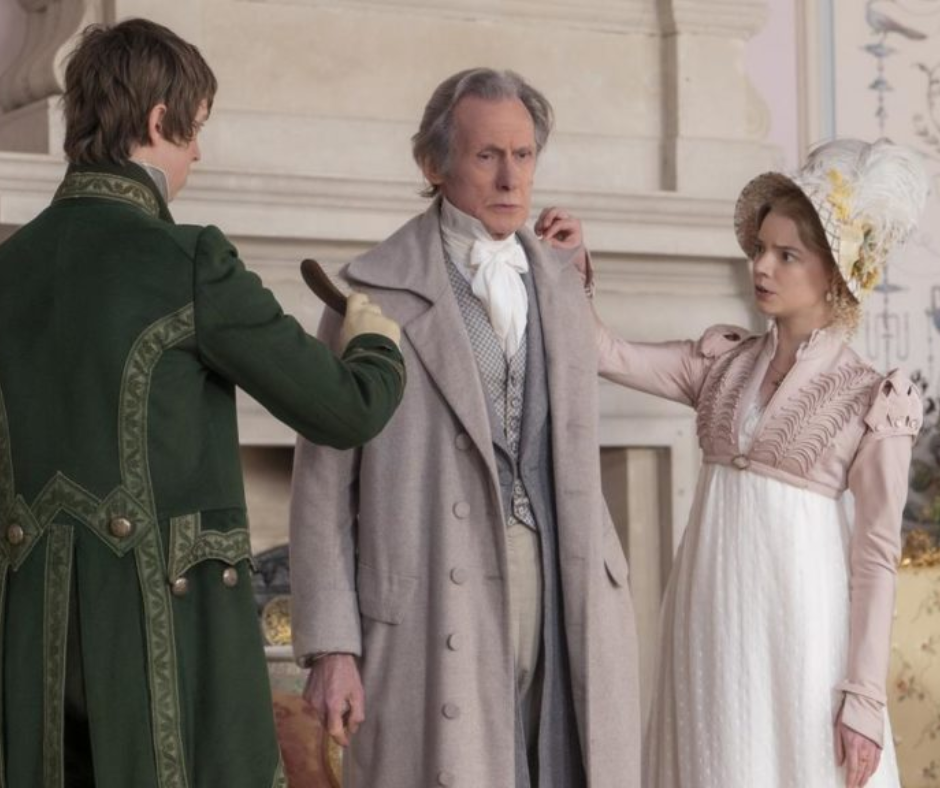
Emma Woodhouse is attentive to all those she loves and values. She caters to her father’s whims and notices Mr. Knightley’s movements. Even when she does not agree with either of these gentlemen, she pays attention to them and processes what they say.
Comprehending Historical Context
Some insights also came when researching British culture in the early 1800s for a discussion that I was leading. Jane Austen wrote for her contemporaries, and her readers were familiar with titles, inheritance laws and financial needs and current literature. We read the novels 200 plus years after their publications, and therefore, we miss some of the nuances of her humor. For instance, when researching the gradations of the British titles, I realized that as a baronet, Sir Walter holds a hereditary title, but he is not a peer. (Peers are Dukes, Marquesses, Earls, Viscounts, and Barons). He is puffed up about being a Baronet, but his title is at the bottom of the hereditary titles. Sir Walter’s cousin, the Viscount, was a peer and two levels higher. This is why Sir Walter is so anxious to renew the connection with Lady Dalrymple.
Forty years of going to JASNA conferences and listening to experts has filled some holes in my knowledge of English life of that period. Now when I read Persuasion, I understand how prize money was obtained. Captain Wentworth had to fight and conquer French ships and bring the goods to shore to be able to qualify for the spoils. It is true that the Navy protected England from Bonaparte but sailors like Captain Wentworth were also acting as legal pirates or privateers. The incentive was the prize money.
In a lecture on carriages, I learned that the Barouche Landau was a joke carriage for the short time that it was sold. This hybrid carriage comes up in Emma as the fancy vehicle owned by Mrs. Elton’s sister, Selina Suckling. It is Austen’s delicate way of putting down Mrs. Elton and her pride. In Northanger Abbey, John Thorpe is proud of his gig, yet a gig is just a one-horse wagon – pretty much the bottom of the rung.
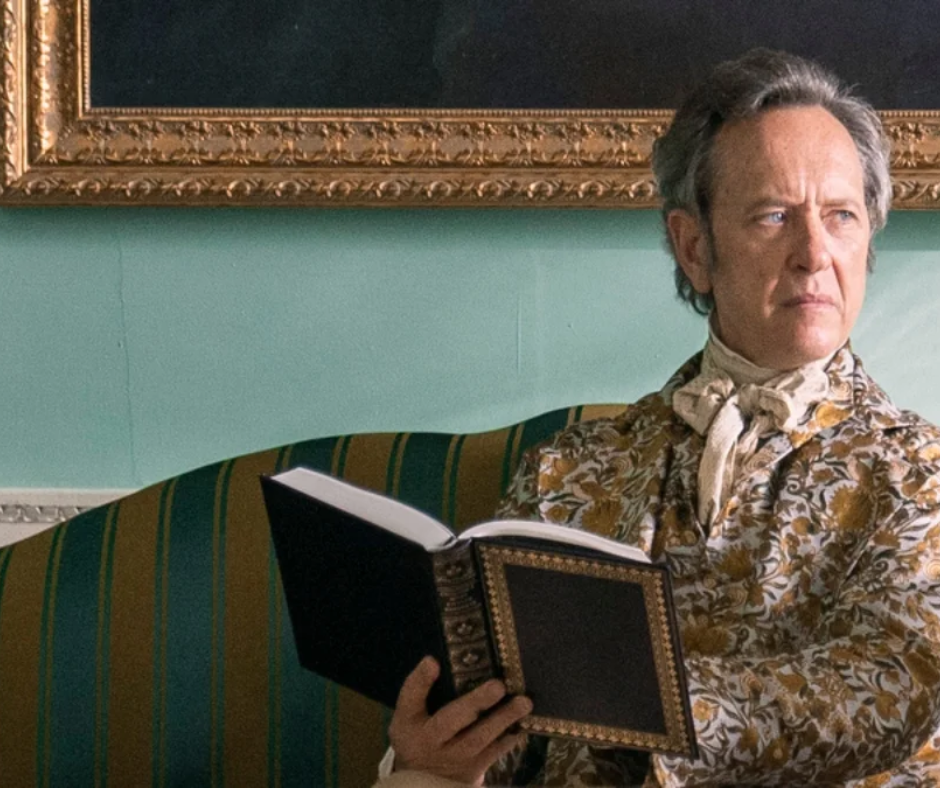
Sir Walter Elliot was proud of his heritage as a baronet, but was also a social climber. He was eager to impress the Dowager Viscountess Dalrymple. Several times through Austen’s Persuasion, the “Elliot Pride” is mentioned in connection with Sir Walter and the behavior of his daughters.
Growing Closer to Jane Austen
Each reading or re-reading of these works brings me a deeper understanding of the genius of Jane Austen.
What will you better understand after your next deep dive into Austen’s novels?
Nili Olay
Nili Olay has been a member of the Jane Austen Society of North America for 41 years. During that time, she has served on the Board of Directors, held a position on the Finance Committee, and is currently the Treasurer for that organization. She enjoys traveling and seeks to share her love of literature, particularly the works of Jane Austen and L.M. Montgomery, through various writing and speaking engagements.

Pride & Prejudice: A Historic Commemorative Edition
To commemorate the 250th anniversary of Jane Austen’s birth, we are proud to launch the first publication of a Jane Austen novel since 1833 to feature and introduction by a family member.
This special edition includes:
- Introduction by Caroline Jane Knight, Jane Austen's fifth great niece
- Text from the celebrated 1894 Peacock Edition
- Personal reflections from Jane's family, Foundation ambassadors and supporters
- A beautiful wrap around cover and illustrations specially commissioned for this project
Experience Elizabeth Bennet and Mr. Darcy's timeless romance while discovering how Jane's work continues to inspire readers across the globe more than two centuries after publication.
All proceeds to the Jane Austen Literacy Foundation.
Our Community - What's Coming Up in February
We’re excited to invite you to two upcoming virtual gatherings hosted by the Jane Austen Literacy Foundation, perfect for readers who love sharing stories and spending time in good company.
Remember, your membership for only $10USD a month helps to support literacy programs around the world!

Reader Get-Together
Join us for a relaxed and fun reader meet-up! Bring along a book you’ve read recently and would recommend to others. There’s no required reading, just a chance to connect, swap book suggestions, and celebrate our shared love of literature.
✨ When: Saturday, February 7th
🕒 Time: 3 PM EST
💻 Where: On Zoom

Mansfield Park (1999) Watch Party
Settle in and watch Mansfield Park (1999) with us as we enjoy the film together and chat live on Zoom. It’s a cozy, communal way to revisit a Jane Austen favorite. Our host, Marigold Webb, will have questions ready, so come prepared to interact and engage with your fellow viewers.
✨ When: Sunday, February 15th
🕒 Time: 3 PM EST
💻 Where: On Zoom
Both events are open to FRIENDS OF THE FOUNDATION members. We’d love to have you join us for one, or both, of these special gatherings!